Start with the training brief
Describe the people you expect to serve and the sessions they will actually perform. A strength-focused membership club, a coached studio and a mixed-use residential gym need different combinations. Write down training priorities, staffing plans and the intended level of supervision.
Then map activities to stations. Give every shortlisted machine a reason for being there: a frequently used movement, a requirement from the training programme or an accessible adjustment option for your intended users. A visually impressive machine is not automatically a useful opening purchase.
Design for the busy hour
Consider which stations people will want at the same time. One versatile cable station may offer many exercises but still serve only a limited number of users simultaneously. Duplication can be sensible where demand is concentrated; a wider variety is useful only when it supports the programme.
Build an opening list and a later expansion list. Keep the expansion area usable from day one rather than crowding it with low-priority equipment. Review the selection with the people who will coach and manage the floor.
Compare the exact configuration
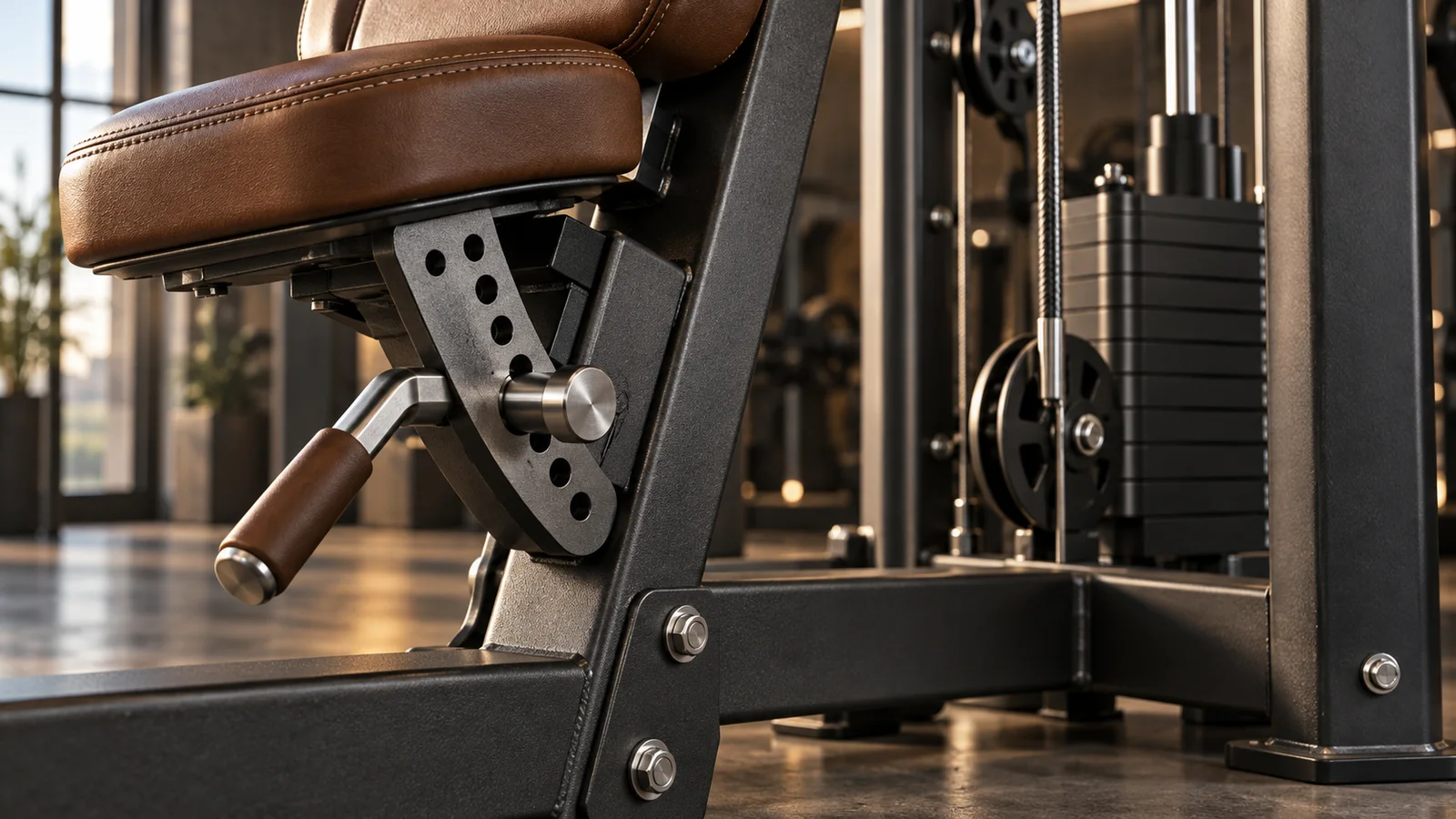
Series names are a starting point. Compare the actual model, adjustment range, resistance configuration, dimensions and included accessories. Record unanswered questions beside the reference number so a polished proposal does not hide missing details.
For plate-loaded machines, ask which plates, collars and storage are included. For selectorized machines, confirm the supplied stack configuration. For powered cardio, obtain electrical and servicing requirements for the exact configuration being quoted.
Approve equipment and layout together
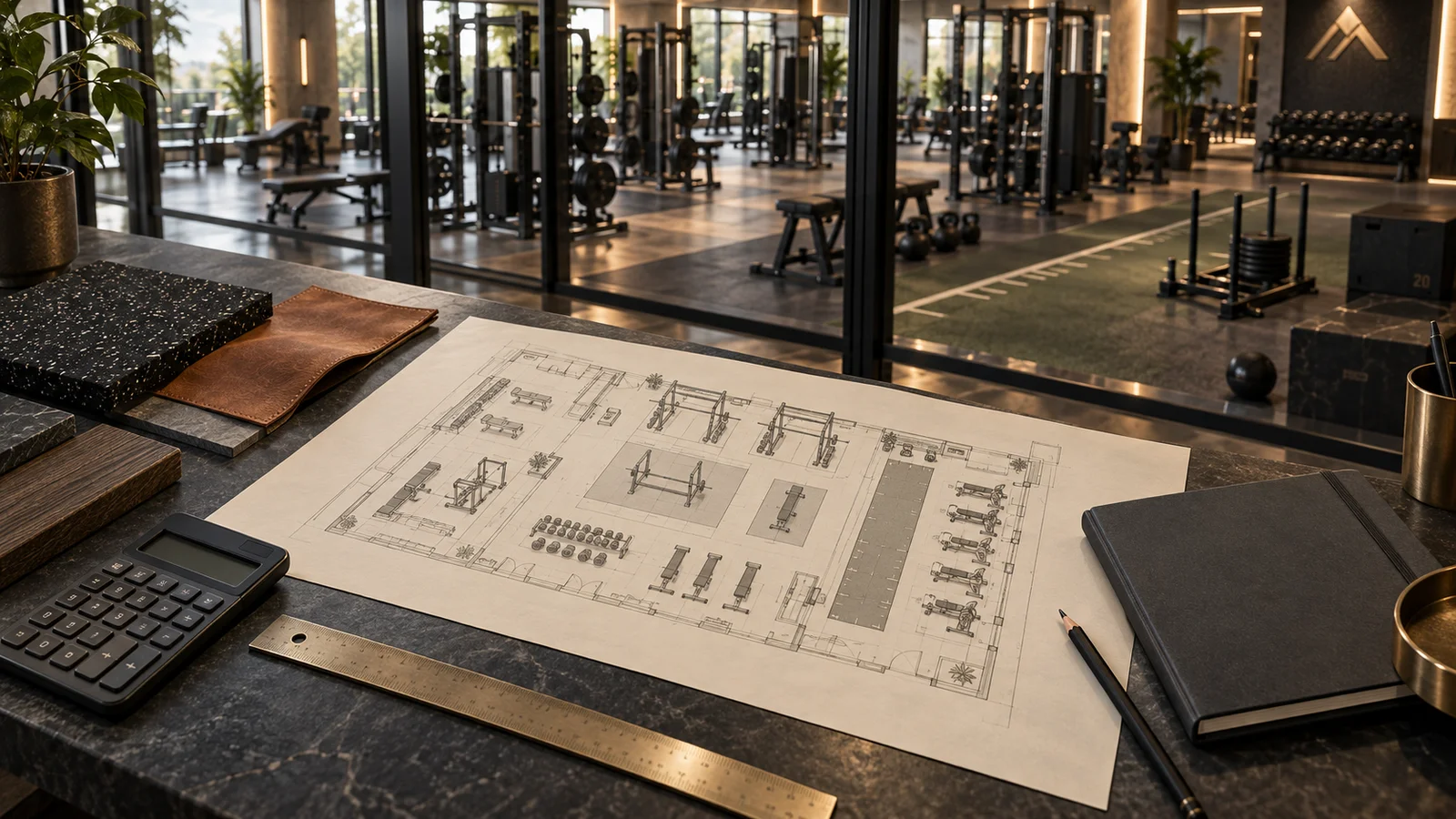
Place the shortlisted models on a measured plan. Manufacturer dimensions are only the machine footprint: loading, movement, access and servicing need their own space. Life Fitness’s planner is one example of how equipment can be reviewed in a room layout; any final plan still needs the specifications of the machines you buy.
Resolve the delivery route and building constraints before approving the order. Keep quoted installation, training, warranty and ongoing support scope beside the equipment list.
Make the shortlist reviewable
Use the GYMTECTA comparison tool to review up to four models, then add your preferred machines and quantities to My Project. Send the list with a floor plan and a short explanation of your training priorities.
- Intended users and training activities
- Peak-hour demand and sensible duplicates
- Exact model and configuration
- Operating clearances and delivery access
- Accessories, installation and support scope
Further reading: Life Fitness: gym layout planning ↗